


 admin
adminOne of the most uncomfortable realities of running a business is that the numbers can look right while the business still feels financially strained. Sales may be coming in and the business may appear profitable on paper, yet every month still feels tight. Business owners find themselves negotiating payment dates, delaying purchases, or stretching supplier terms just to create enough room to operate.
Many businesses assume that if they are profitable, cash should naturally be available, but the recent instability across the global business environment has reminded many business owners that profit and cash do not move at the same speed. While profit tells you that the business is creating value, cash determines whether the business has enough room to operate.
A business can make a sale today, record the income, and still wait weeks or months before the money arrives. In the meantime, salaries, rent, loan repayments, taxes, inventory costs, subscriptions, logistics expenses, and supplier invoices continue to fall due. Add sudden cost increases or unexpected cost disruptions, and many businesses quickly find themselves under pressure despite remaining profitable.
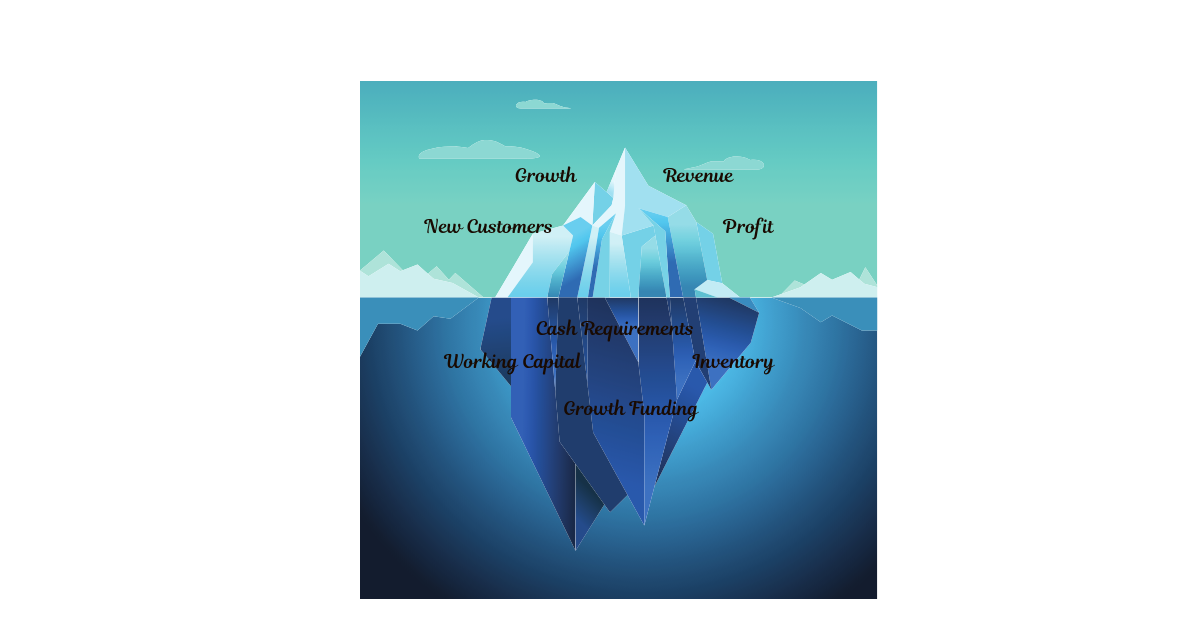
Think about all the places where cash may be trapped; in unpaid invoices, it may be sitting on shelves as inventory that is moving slower than expected because of changing consumer preferences or reduced purchasing power, it may be absorbed by customers taking longer to pay, upfront expenses incurred before revenue is collected, or growth initiatives that require more investment than originally anticipated. This is why it can be risky to assume that growth will automatically solve financial pressure. While growth often creates opportunities, it can also increase working capital demands like larger new customers requiring additional staff, bigger contracts coming with longer payment terms, or entering a new market that may require significant marketing, compliance, or operational investment before any meaningful revenue is realized.
Growth planning and profitability planning should therefore be accompanied by liquidity planning. Businesses should project and stress test their cash requirements in the same way they project sales and profits. As a business grows, its cash requirements often grow with it, so cash projections should reflect the amount of liquidity and cash needs to support the growth.
Before concluding that your business has a sales problem, it may be worth asking a different question: do you need more sales, or do you need better cash flow? Many businesses facing financial pressure may benefit more from faster collections, stronger payment terms, tighter spending discipline, or a clearer understanding of the cash required to support the current business size and profitability. If the underlying issue is cash flow, responding solely by pursuing more revenue may simply mask the real problem rather than solve it.
This is not to suggest that growth is bad. It is to highlight that growth needs to be funded and businesses that fail to prepare for the cash demands that accompany growth can find themselves under greater pressure precisely because they are becoming more successful.
In periods of uncertainty, a business with strong margins but weak cash discipline may be more vulnerable than a business with modest profits and tight control over cash. For many small businesses, understanding this distinction can mean the difference between resilience and distress. Profit is important, but cash remains the resource that gives a business the flexibility to respond, adapt, and survive when conditions change.
Perhaps the greatest danger of cash flow pressure is that it rarely arrives as a single event. Instead, it develops gradually and often hides behind what appears to be normal business activity. As a result, many businesses do not recognize the loss of financial flexibility until it begins to affect their ability to make decisions, pursue opportunities, or respond to challenges.
In our next publication, we will examine some of the early warning signs that cash flow pressure may be building beneath the surface and what business owners can do to address them before they become a threat to business resilience.
